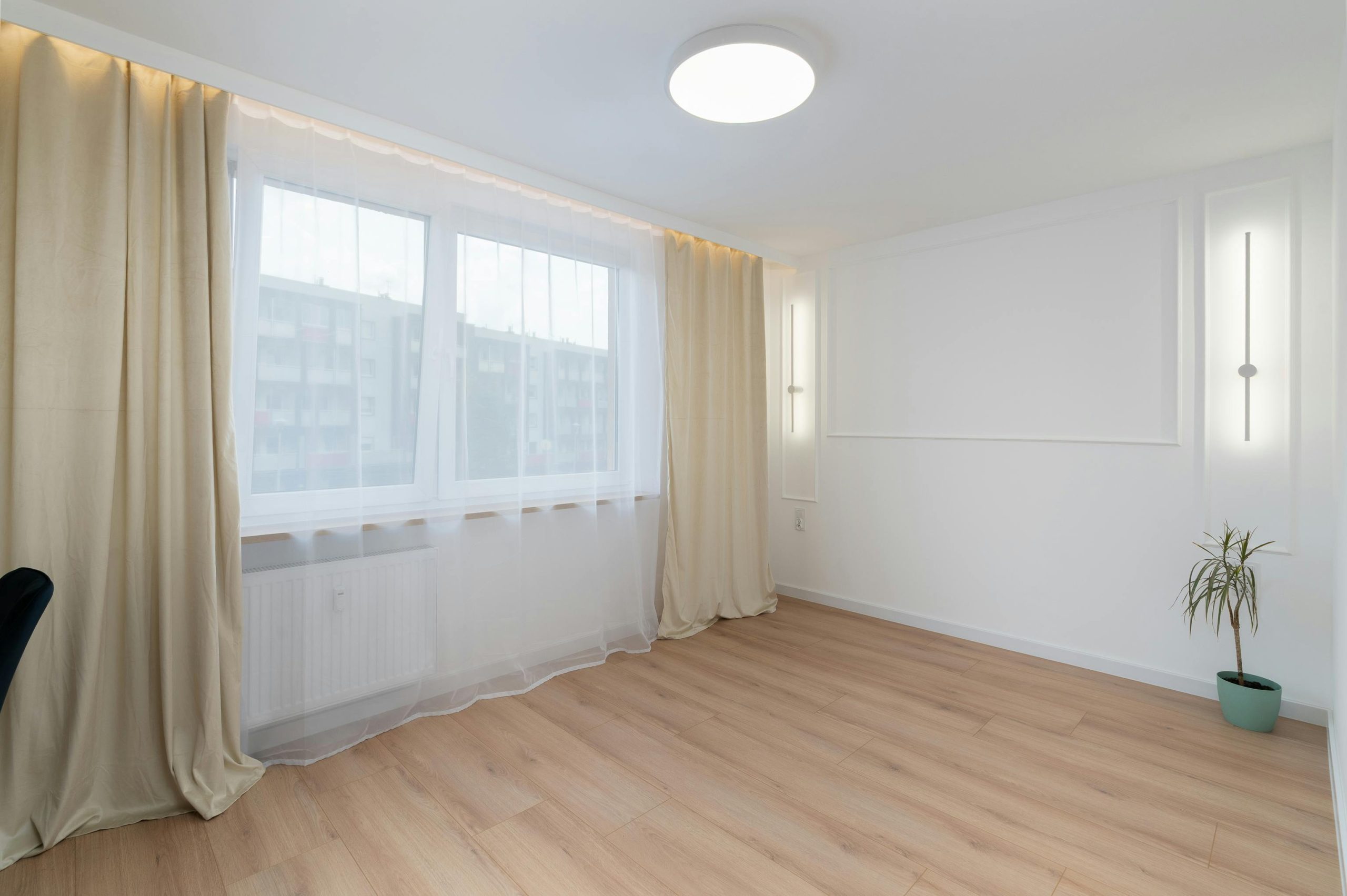
Create a Stunning Minimalist House Design
Executive Summary
Minimalist house design is more than just a trend; it’s a philosophy of living. This guide delves into the core principles of minimalist architecture, providing actionable steps and inspiration to create a home that’s both aesthetically pleasing and functionally efficient. We’ll explore key elements like space optimization, material selection, color palettes, lighting, and furnishing, offering practical advice and expert insights to transform your vision into reality. Whether you’re building a new home or renovating an existing one, this comprehensive guide will empower you to design a minimalist haven reflecting your unique style and priorities. Prepare to discover the beauty of less.
Introduction
Minimalist design is about intentionality. It’s about stripping away the unnecessary to reveal the essence of beauty and functionality. This isn’t about austerity; it’s about conscious living reflected in your home’s design. This guide will walk you through the process of creating a minimalist space that is both calming and inspiring, a sanctuary where you can truly relax and recharge. We’ll cover everything from the initial design concept to the final finishing touches, providing you with the tools and knowledge to craft a truly stunning minimalist home.
Frequently Asked Questions
Q: Is minimalist design expensive? A: Not necessarily. While some high-end minimalist materials can be costly, the philosophy prioritizes functionality and quality over quantity. Smart planning and strategic sourcing can create a stunning minimalist space on any budget.
Q: How can I avoid my minimalist home from feeling sterile or cold? A: The key is to carefully choose textures, materials, and colors that add warmth and personality. Incorporating natural elements like wood and stone, layering textiles, and using warm lighting are all effective ways to create a cozy and inviting atmosphere.
Q: How much space do I need for a minimalist design? A: Minimalist design works in spaces of all sizes. The core principle is to maximize functionality within the available area, ensuring everything has a purpose and a place. Even a small apartment can feel spacious and uncluttered with careful planning.
Space Optimization: Maximizing Functionality
Creating a sense of spaciousness is paramount in minimalist design. This isn’t just about having a large house; it’s about making the most of the space you have.
Declutter: The foundation of minimalist design is decluttering. Regularly purge items you don’t need or use, creating a sense of calm and order. This is crucial for both visual appeal and mental wellbeing.
Multi-functional Furniture: Invest in furniture that serves multiple purposes. A storage ottoman, a sofa bed, or a coffee table with built-in shelving maximizes space and minimizes visual clutter.
Open Floor Plans: Where possible, opt for open floor plans to create a sense of flow and spaciousness. This visually expands the living area and improves natural light penetration.
Vertical Space: Don’t neglect vertical space. Use tall bookshelves, wall-mounted storage, and high ceilings to create storage solutions without sacrificing floor space.
Built-in Storage: Built-in storage solutions are a minimalist’s dream. They seamlessly integrate into the design, maximizing storage while maintaining a clean, uncluttered aesthetic.
Material Selection: Quality Over Quantity
The materials you choose significantly impact the overall feel of your minimalist home. Prioritize quality over quantity; fewer, high-quality items create a more sophisticated and lasting impression.
Natural Materials: Embrace the beauty of natural materials like wood, stone, and concrete. These add warmth and texture while complementing the minimalist aesthetic.
Neutral Color Palette: Stick to a neutral color palette for walls, floors, and larger furniture pieces. This creates a calming backdrop that allows architectural details and carefully chosen accents to shine.
Sustainable Choices: Opt for sustainable and ethically sourced materials whenever possible. This aligns with the minimalist philosophy of mindful consumption and environmental responsibility.
Durability: Choose durable materials that can withstand the test of time. This minimizes the need for frequent replacements and reduces waste. Investing in quality now saves money and effort in the long run.
Texture and Visual Interest: While minimalism emphasizes simplicity, don’t shy away from introducing texture. Subtle textures in fabrics, materials, and finishes can add depth and visual interest without overwhelming the space.
Color Palettes: The Power of Simplicity
Color plays a crucial role in establishing the mood and atmosphere of your minimalist home. A well-chosen palette is essential for creating a space that feels both serene and stylish.
Neutral Base: Begin with a neutral base – whites, creams, grays, or beiges – for walls and larger surfaces. This provides a calming and versatile backdrop.
Accents of Color: Introduce splashes of color strategically through accessories, artwork, or textiles. This adds personality without disrupting the overall sense of calm.
Monochromatic Schemes: Consider a monochromatic scheme using varying shades of a single color for a cohesive and sophisticated look. This creates a feeling of visual unity and tranquility.
Natural Tones: Opt for colors inspired by nature, such as muted greens, blues, or browns. These colors bring a sense of peace and connection to the outdoors.
Avoid Overwhelm: Remember, less is more. Avoid using too many colors or bold patterns, as this can quickly overwhelm the minimalist aesthetic.
Lighting: Illuminating Your Space
Lighting is often overlooked, but it significantly impacts the ambiance and functionality of a minimalist home.
Natural Light: Maximize the use of natural light. Large windows and skylights allow sunlight to flood the space, creating a bright and airy atmosphere.
Layered Lighting: Employ a layered lighting approach, combining ambient, task, and accent lighting to create a flexible and adaptable lighting scheme.
Warm Lighting: Opt for warm-toned lighting to create a cozy and inviting atmosphere. Avoid harsh fluorescent lights, which can make a space feel cold and sterile.
Dimmers: Install dimmers to control the intensity of your lighting, allowing you to adjust the mood of the room as needed.
Statement Lighting Fixtures: Use statement lighting fixtures strategically to add a touch of personality and visual interest without compromising the minimalist aesthetic. Choose fixtures that are both functional and beautiful.
Furnishing: Form and Function in Harmony
Furniture selection is crucial for achieving the desired minimalist aesthetic. Prioritize quality, functionality, and clean lines.
Minimalist Furniture: Choose furniture pieces with clean lines and simple silhouettes. Avoid ornate detailing or fussy designs.
Multi-purpose Furniture: Opt for multi-purpose furniture to maximize functionality and minimize clutter. This includes pieces like ottomans with storage, sofa beds, or coffee tables with shelving.
High-Quality Materials: Choose furniture made from high-quality materials that are both durable and visually appealing.
Neutral Colors: Stick to a neutral color palette for furniture, allowing your chosen accessories and artwork to serve as focal points.
Strategic Placement: Arrange furniture strategically to maximize the flow of space and create a sense of openness and airiness.
Conclusion
Creating a stunning minimalist house design is a journey of intentionality and mindful curation. It’s about stripping away the excess to reveal the essence of beauty and functionality. By focusing on space optimization, material selection, color palettes, lighting, and furnishing, you can create a home that reflects your personal style and prioritizes both aesthetic appeal and practical living. Embrace the simplicity, revel in the calm, and enjoy the beauty of less. Remember, the goal is not austerity but a conscious, intentional approach to living that is reflected in the design of your home. A minimalist space is more than just a style; it’s a lifestyle.