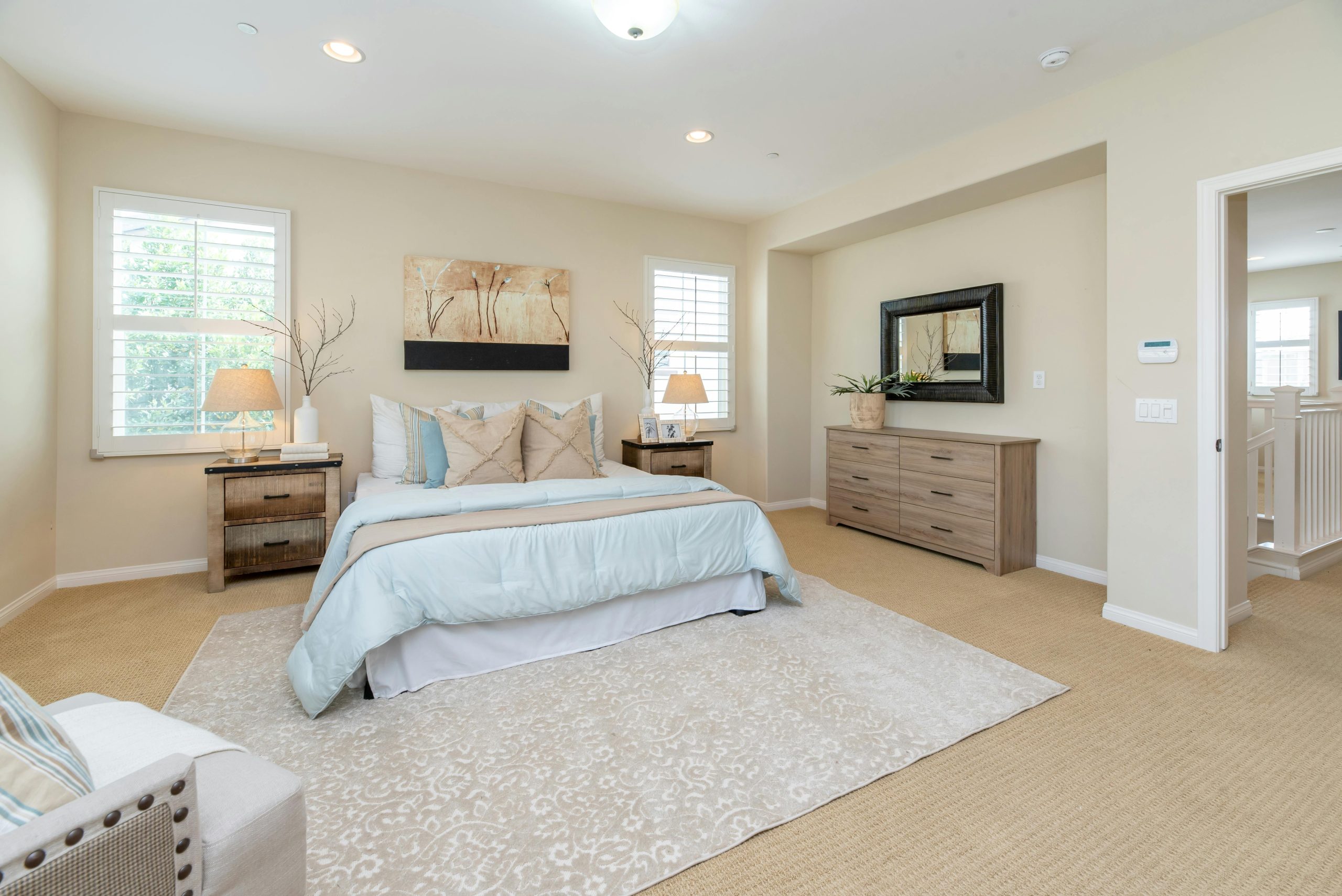
Minimalist House Design: Ideas & Inspiration
Executive Summary
This article delves into the captivating world of minimalist house design, providing practical ideas and inspiring examples to help you create a serene and functional living space. We’ll explore key aspects, from space optimization and color palettes to material selection and furniture choices, equipping you with the knowledge to design or renovate your home for a truly minimalist aesthetic. Whether you’re aiming for a spartan look or a more refined take on minimalism, this comprehensive guide will provide the insights you need. Prepare to be inspired and discover how to transform your home into a haven of calm and simplicity.
Introduction
Minimalist house design is more than just a trend; it’s a philosophy reflecting a desire for clarity, functionality, and intentional living. It’s about curating your possessions, prioritizing quality over quantity, and creating a space that promotes peace and focus. This article explores the core principles of minimalist design and offers practical steps to achieve this aesthetic in your own home, transforming it into a sanctuary of calm and efficiency. We’ll delve into the specific elements that contribute to a successful minimalist design, ensuring your space feels both stylish and incredibly livable.
Frequently Asked Questions
Q: What is minimalist design? A: Minimalist design is an approach that emphasizes simplicity, clean lines, and functional spaces. It prioritizes essential items, reducing clutter and maximizing the feeling of openness and spaciousness. It’s about carefully selecting items that serve a purpose and enhance your well-being.
Q: Is minimalist design expensive? A: Not necessarily. While some high-end minimalist furniture can be costly, the core principle is intentional spending. By focusing on quality over quantity, you invest in fewer, durable pieces, potentially saving money in the long run by avoiding frequent replacements. Clever use of affordable materials and DIY projects can also greatly contribute to a minimalist aesthetic without breaking the bank.
Q: Can minimalist design work for families? A: Absolutely! Minimalist design is about intentional living for everyone. It can adapt to any lifestyle. The key is to focus on functionality and storage solutions that cater to a family’s needs. Open shelving, clever storage, and multi-functional furniture can help maintain a clutter-free environment even in a busy household.
Space Optimization
Effective space optimization is crucial in minimalist design. The goal is to make the most of every square foot, creating a sense of spaciousness and freedom.
Decluttering: Begin by ruthlessly decluttering your belongings. Keep only items you truly love, need, or use regularly. Donate, sell, or discard the rest.
Multifunctional Furniture: Invest in furniture that serves multiple purposes. A storage ottoman provides seating and storage; a sofa bed offers sleeping arrangements for guests.
Vertical Space: Utilize vertical space with tall bookshelves, wall-mounted storage, and strategically placed hanging organizers.
Open Floor Plans: If possible, create or maintain an open floor plan to enhance the sense of spaciousness and flow within the home.
Built-in Storage: Incorporate built-in storage solutions like cabinets, drawers, and shelving to maximize storage without cluttering the space.
Minimalist Shelving: Use minimalist shelving units with clean lines and a neutral color palette to display essential items while keeping things organized.
Color Palettes
A carefully chosen color palette is fundamental to achieving a minimalist aesthetic. Neutral tones are favored, but accents can be incorporated strategically.
Neutral Base: Opt for a neutral base of whites, creams, grays, or beiges. These colors create a sense of calm and spaciousness, forming a clean backdrop for the few key elements you will choose to display.
Monochromatic Schemes: Consider a monochromatic color scheme using different shades and tints of a single color for a sophisticated and cohesive look.
Accent Colors: Use one or two accent colors sparingly to add personality and visual interest without overwhelming the space. These can be found in small decorative items or textiles.
Natural Light: Maximize natural light to brighten and expand your living spaces. This will enhance the airy feeling of a minimalist home.
Natural Materials: Incorporate natural materials like wood, stone, and bamboo to add warmth and texture without disrupting the clean lines of your design.
Consistent Color Scheme: Maintain consistency throughout the house, creating a sense of flow and visual harmony.
Material Selection
The materials you choose play a vital role in the overall feel of your minimalist home. Natural materials are generally preferred for their simplicity and aesthetic appeal.
Natural Materials: Prioritize natural materials like wood, stone, and concrete for flooring, countertops, and other surfaces. These add warmth and texture while staying true to the minimalist ethos.
High-Quality Materials: Focus on high-quality materials that are durable and long-lasting. This aligns with the minimalist concept of choosing fewer, better things.
Minimalist Textiles: Select simple and high-quality textiles for your bedding, curtains, and other soft furnishings. Choose neutral tones or incorporate a subtle accent color.
Sustainable Options: Whenever possible, choose sustainable and eco-friendly materials to reduce your environmental impact and align with sustainable living principles.
Less is More: Embrace the principle of ‘less is more’ in your material choices; avoid busy patterns and textures that can clutter the visual space.
Texture Contrast: While prioritizing simplicity, you can still introduce subtle textural contrast using different materials that have a similar color palette.
Furniture Choices
Choosing the right furniture is essential for maintaining a minimalist aesthetic. Functionality and clean lines are key.
Functionality over Ornamentation: Prioritize furniture that is both functional and aesthetically pleasing but avoids unnecessary ornamentation.
Clean Lines and Simple Shapes: Opt for pieces with clean lines, simple shapes, and minimal detailing to maintain a sense of order.
Quality over Quantity: Invest in a few high-quality pieces rather than numerous cheap items that may need frequent replacements.
Multifunctional Pieces: Consider furniture that serves multiple purposes to maximize space and functionality, reducing clutter.
Neutral Colors: Choose furniture in neutral colors that complement your overall color palette.
Minimalist Lighting: Incorporate minimalist lighting fixtures that provide ample illumination without drawing attention to themselves.
Lighting and Fixtures
Lighting is crucial in creating the right atmosphere and highlighting the minimalist design.
Natural Light: Maximize natural light as much as possible.
Ambient Lighting: Use ambient lighting to create a soft, overall glow.
Task Lighting: Employ task lighting for specific areas such as reading or cooking.
- Accent Lighting: Use accent lighting to subtly highlight architectural features or artwork.
Conclusion
Minimalist house design is a journey of intentional living, a pathway to creating a space that reflects your values and priorities. It’s not about deprivation but about cultivating a mindful approach to your possessions and living environment. By embracing the principles of space optimization, careful color palettes, quality material selection, and thoughtful furniture choices, you can transform your home into a sanctuary of peace and functionality. Remember, minimalism is a journey of continuous refinement, an evolving process of decluttering and simplifying your space to reflect your changing needs and desires. The resulting calm and clarity will greatly enhance your overall well-being. Embrace the simplicity, enjoy the peace, and create a home that truly nourishes your soul.