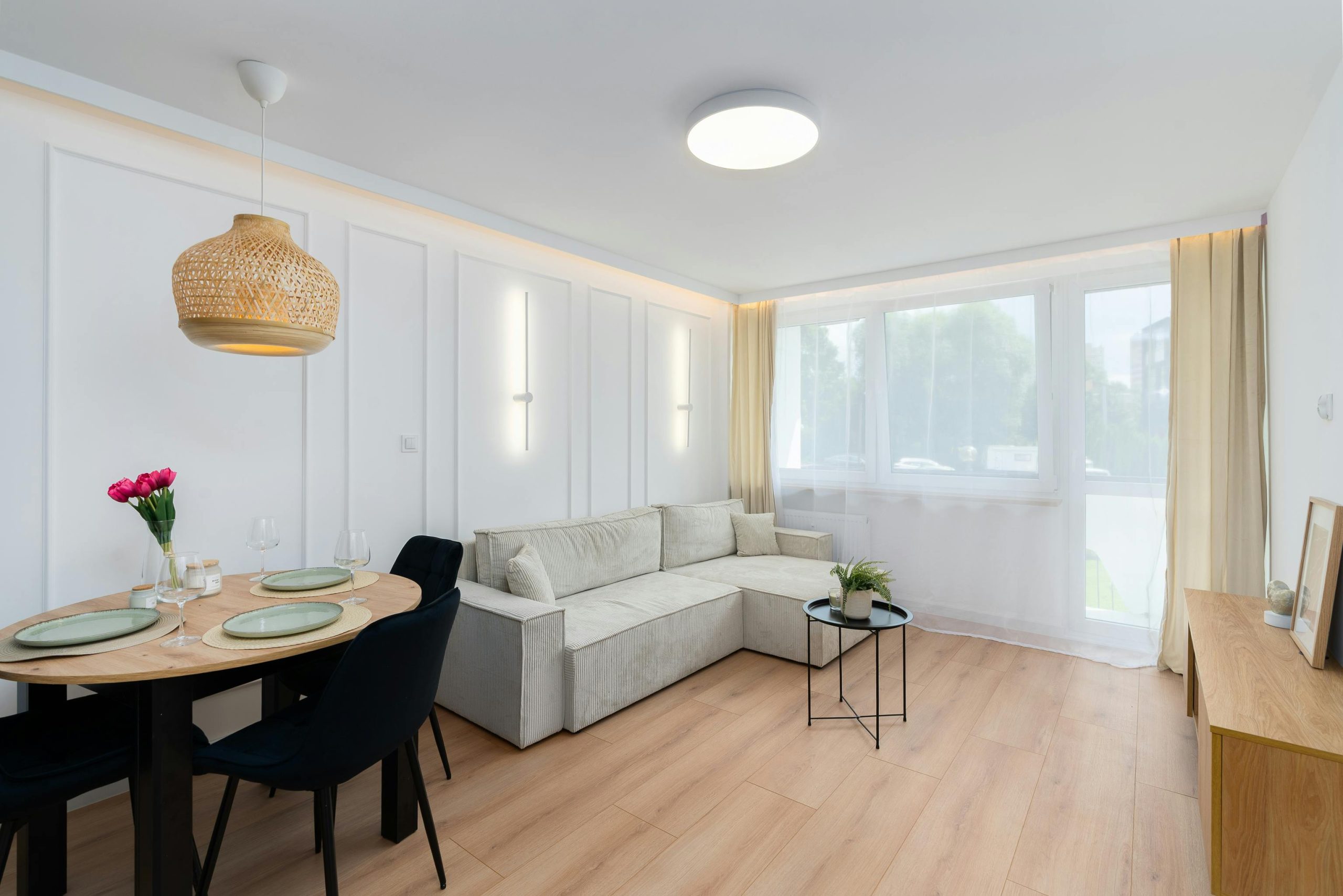
Modern Minimalist House Designs: A Guide
Executive Summary
This comprehensive guide delves into the captivating world of modern minimalist house designs. We’ll explore the core principles of minimalism in architecture, examine key design elements, and offer practical advice for incorporating this aesthetic into your own home. Whether you’re embarking on a new build or renovating an existing property, this guide provides valuable insights and inspiration to help you create a serene, functional, and stylish living space that reflects your personal style. We’ll cover everything from selecting the right materials to optimizing space utilization, ensuring you have the knowledge to make informed decisions throughout your design journey. This guide aims to be your ultimate resource for navigating the intricacies of modern minimalist design, transforming your house into a true sanctuary.
Introduction
Modern minimalist house designs are more than just a trend; they represent a conscious shift towards simplicity and functionality. This aesthetic prioritizes clean lines, open spaces, and a carefully curated selection of furniture and decor. By stripping away the unnecessary, minimalist design allows the beauty of the architecture and the surrounding environment to truly shine. This guide will equip you with the knowledge and inspiration to design or renovate your home to embrace this elegant and timeless style.
Frequently Asked Questions
Q: What is the difference between minimalist and modern design? A: While often used interchangeably, modern design encompasses a broader range of styles characterized by clean lines and functionality. Minimalist design, a subset of modern design, takes this further by emphasizing extreme simplicity and reduction to essential elements.
Q: Is minimalist design expensive? A: Not necessarily. While high-end materials can certainly contribute to higher costs, minimalist design prioritizes quality over quantity. By focusing on essential pieces and avoiding unnecessary ornamentation, you can achieve a minimalist aesthetic at various budget levels. Careful planning and sourcing of materials are key.
Q: Can minimalist design work for families with children? A: Absolutely! Minimalist design focuses on functionality and organization, which are especially beneficial in households with children. By implementing clever storage solutions and choosing durable, easy-to-clean materials, you can create a clutter-free and family-friendly environment.
Open Floor Plans: Maximizing Space and Light
Open floor plans are a cornerstone of modern minimalist design. They create a sense of spaciousness and airiness, allowing natural light to flow freely throughout the home. This design choice fosters a sense of connectivity between different living areas, promoting a more relaxed and social atmosphere.
Maximize natural light: Use large windows and strategically placed skylights to flood the space with natural light. This minimizes the need for artificial lighting and creates a brighter, more inviting atmosphere.
Visual continuity: Maintain consistent flooring and color palettes throughout the open plan to enhance the feeling of spaciousness and avoid visual fragmentation.
Strategic zoning: Despite the open concept, define distinct zones for different activities (e.g., living, dining, kitchen) using area rugs, furniture arrangement, or subtle changes in flooring material.
Minimalist furniture: Opt for furniture pieces that are both functional and aesthetically pleasing, avoiding overcrowding the space.
Multifunctional furniture: Consider furniture with built-in storage or dual functions to maximize space efficiency.
Neutral Color Palettes: Creating a Calming Atmosphere
Neutral color palettes are essential for achieving a minimalist aesthetic. Shades of white, gray, beige, and black form the foundation, creating a calm, sophisticated, and versatile backdrop. This allows for the incorporation of pops of color through artwork, textiles, or plants, preventing the space from feeling sterile.
White walls: White walls reflect light, making the space appear larger and brighter.
Natural wood accents: Incorporate warm tones of natural wood flooring or furniture to add texture and warmth without disrupting the neutral palette.
Textural variations: Use different textures within the neutral palette to add depth and visual interest, such as a woven rug or linen curtains.
Strategic pops of color: Introduce small amounts of color through carefully selected accessories or artwork to prevent the space from feeling monotonous.
Consistent palette: Maintain consistency in color choices across different rooms to create visual harmony and a unified look.
Consider gray tones: Gray offers a sophisticated alternative to stark white and provides a versatile backdrop for various furniture styles and color accents.
Natural Materials: Embracing Sustainable and Elegant Design
The use of natural materials is central to creating an authentic and sustainable minimalist home. Materials like wood, stone, concrete, and bamboo offer a sense of authenticity and timeless elegance. They also contribute to a healthier and more environmentally conscious living space.
Sustainable sourcing: Prioritize sustainably sourced materials to minimize environmental impact.
Raw finishes: Embrace the natural beauty of materials by using raw or minimally processed finishes.
Wood flooring: Opt for durable hardwood flooring for its warmth, natural beauty, and long-lasting quality.
Stone countertops: Stone countertops add a touch of luxury and durability.
Bamboo accents: Bamboo offers a sustainable and stylish alternative to traditional hardwoods.
Exposed concrete: Exposed concrete walls or flooring create a raw, industrial look that complements minimalist design.
Clean Lines and Simple Shapes: Defining Minimalist Aesthetics
Clean lines and simple shapes are the hallmarks of minimalist architecture. Avoid overly ornate details or fussy embellishments. Furniture and decor should be characterized by geometric simplicity, emphasizing form and function over elaborate ornamentation.
Streamlined furniture: Choose furniture with clean lines and simple silhouettes. Avoid overly ornate or decorative pieces.
Built-in storage: Maximize space and minimize visual clutter by incorporating built-in storage solutions.
Minimalist lighting: opt for simple, functional lighting fixtures that enhance the overall aesthetic without drawing undue attention.
Uncluttered surfaces: Keep countertops, shelves, and other surfaces clear of clutter to maintain a sense of order and calm.
Geometric patterns: Use geometric patterns sparingly to add subtle visual interest without overpowering the clean lines.
Consistent proportions: Maintain consistent proportions between furniture and architectural elements to create a sense of balance and harmony.
Decluttering and Organization: Maintaining a Minimalist Lifestyle
Maintaining a minimalist home requires a commitment to decluttering and organization. Regularly purge unwanted items to prevent the accumulation of clutter. Implement efficient storage solutions to keep everything in its place, maintaining a sense of order and peace.
Regular purging: Schedule regular decluttering sessions to remove unwanted items and prevent clutter buildup.
Strategic storage: Invest in efficient storage solutions like built-in shelving, drawers, and cabinets.
Multipurpose furniture: Utilize furniture with built-in storage capabilities.
Hidden storage: Incorporate hidden storage solutions to conceal clutter and maintain a clean aesthetic.
Labeling system: Implement a labeling system for storage containers to improve organization and ease of access.
Digital decluttering: Regularly declutter digital files and photos to maintain a minimalist approach to digital life.
Conclusion
Designing a modern minimalist home is a journey of intentional choices, focusing on simplicity, functionality, and aesthetic harmony. By embracing clean lines, neutral palettes, natural materials, and a commitment to decluttering, you can create a space that is both beautiful and calming. Remember, minimalist design is not about deprivation; it’s about curating a living space that reflects your personal style and enhances your well-being. This guide serves as a starting point; feel free to adapt and personalize these principles to create a unique and stylish home that truly reflects you. The journey to a minimalist haven is one of mindful intention and thoughtful execution, resulting in a space that is both beautiful and exceptionally livable.