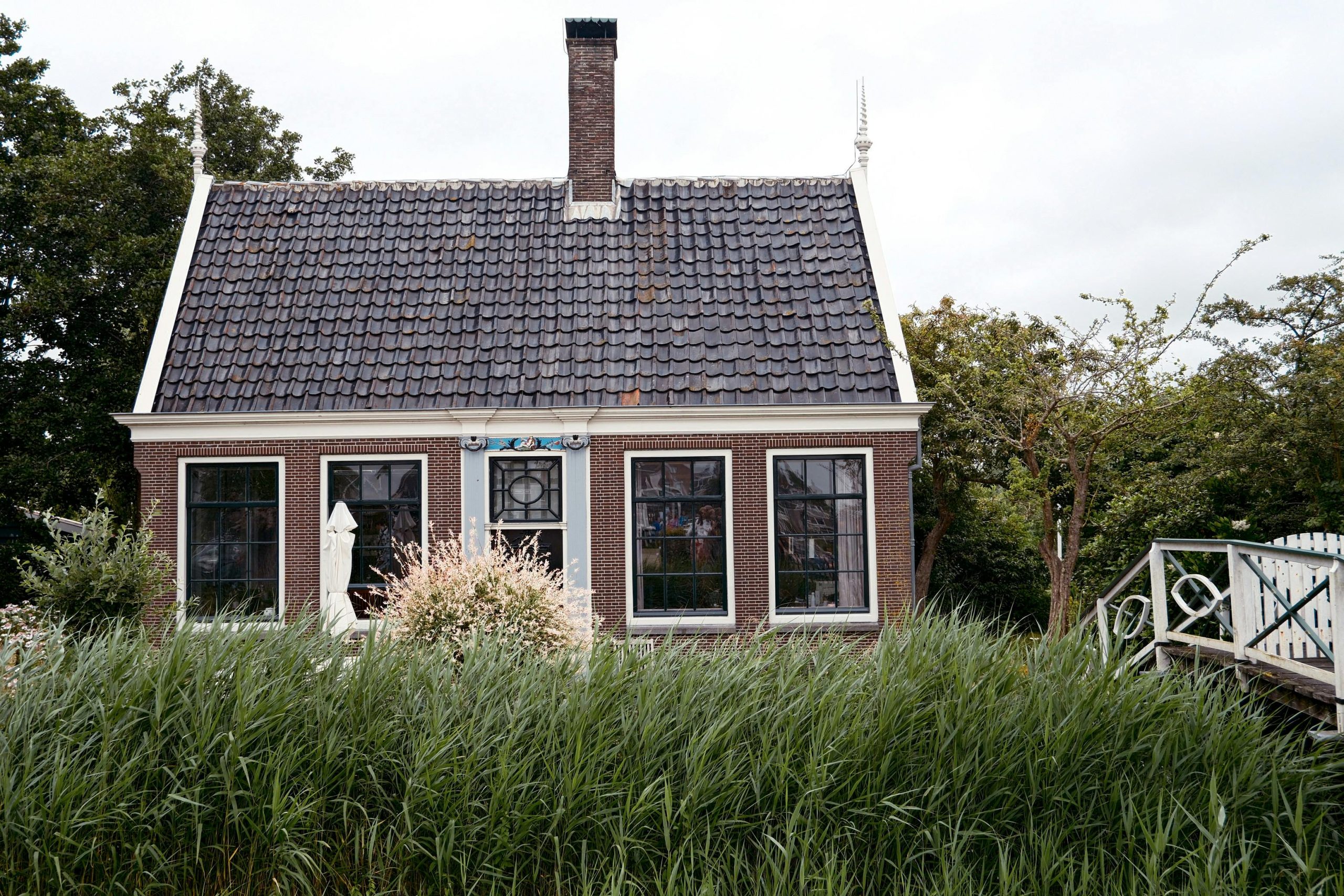
Minimalist Interior Design: A House of Simple Elegance
Executive Summary
Minimalist interior design is more than just a trend; it’s a philosophy of living intentionally. This style prioritizes functionality, clean lines, and a reduction of clutter to create a serene and invigorating living space. This guide delves into the core principles of minimalist design, offering practical advice and inspiration to transform your home into a haven of simple elegance. We’ll explore key elements, from carefully selected furniture and color palettes to the crucial role of light and negative space, helping you curate a space that reflects your personal style while embracing the beauty of less. This isn’t about deprivation; it’s about intentional living and creating an environment that nurtures your well-being.
Introduction
In our increasingly cluttered world, minimalist interior design offers a refreshing antidote. It’s a design approach that champions simplicity, functionality, and a conscious decluttering of both physical and visual spaces. It’s about surrounding yourself with only what you truly need and love, creating a calm and peaceful atmosphere that promotes relaxation and focus. This isn’t about stark, empty rooms; instead, it’s about carefully curating a space that is both beautiful and functional, reflecting your personal style with intention and precision. Minimalism isn’t a restrictive style; it’s a liberating one, allowing you to focus on what truly matters.
FAQ
What is the difference between minimalism and modern design? While both styles often share clean lines and a focus on functionality, modern design can incorporate bolder colors and more complex shapes. Minimalism, on the other hand, emphasizes simplicity, neutral palettes, and a reduction of visual clutter.
Is minimalist design expensive? Not necessarily. While high-end materials can certainly enhance a minimalist space, the core principle revolves around thoughtful curation rather than lavish spending. By focusing on quality over quantity and choosing versatile pieces, you can achieve a minimalist aesthetic on any budget.
How do I start decluttering for a minimalist design? Begin by identifying items you don’t use, need, or love. Start small, focusing on one area at a time. Consider donating or selling unwanted items rather than simply discarding them. The key is to be intentional and decisive in your choices.
Color Palettes: The Power of Neutrals
A minimalist color palette typically revolves around neutral tones. This isn’t about blandness; rather, it’s about creating a calming and versatile backdrop that enhances the beauty of carefully chosen pieces. Neutral shades allow you to easily introduce pops of color through accessories, artwork, or plants, providing a sense of visual balance and tranquility.
Base Neutrals: Opt for shades of white, beige, gray, or even muted black as your foundation. These serve as a canvas for your design, allowing other elements to shine.
Accents of Warmth: Introduce subtle warmth with natural wood tones, terracotta, or light browns. These elements add texture and visual interest without overwhelming the space.
Strategic Pops of Color: Use one or two bold accent colors strategically to inject personality. These pops of color should be intentional and complement the overall neutral scheme.
Textural Contrast: Incorporate textures like linen, wool, or natural stone to add depth and visual interest to your neutral palette.
Light & Shadow: Consider how natural light interacts with your color choices; lighter shades maximize light and create an airy feel.
Furniture: Quality Over Quantity
Minimalist design prioritizes quality over quantity when it comes to furniture. Each piece should be carefully selected for its functionality, aesthetic appeal, and durability. Avoid unnecessary furniture; prioritize pieces that serve multiple purposes or enhance the overall flow and functionality of the space.
Multifunctional Furniture: Invest in pieces like ottomans with storage, sofa beds, or desks with built-in shelving. This maximizes space and minimizes clutter.
Clean Lines & Simple Shapes: Choose furniture with clean lines, simple shapes, and a minimalist aesthetic. Avoid ornate details or overly fussy designs.
Durable Materials: Select furniture made from high-quality, durable materials that will last for years. This is a key element in minimizing waste and maximizing value.
Neutral Colors: Stick to neutral color palettes for your furniture to ensure they complement the overall design scheme and enhance the feeling of spaciousness.
Strategic Placement: Consider the flow and functionality of the space when placing your furniture. Avoid overcrowding the room; leave ample space for movement.
Lighting: Illuminating the Space
Lighting plays a crucial role in creating the desired atmosphere in a minimalist space. Natural light should be maximized, while artificial lighting should be carefully selected to complement the overall design and enhance the mood.
Maximize Natural Light: Keep windows unobstructed to allow maximum natural light to flood the room. This creates a sense of spaciousness and well-being.
Layered Lighting: Incorporate different types of lighting – ambient, task, and accent – to create depth and visual interest.
Minimalist Fixtures: Choose lighting fixtures with clean lines and simple designs that complement the overall aesthetic.
Warm Light Bulbs: Opt for warm-toned light bulbs to create a cozy and inviting atmosphere. Avoid harsh, overly bright lighting.
Dimmers: Incorporate dimmers to control the intensity of your lighting and create different moods throughout the day.
Decluttering & Organization: The Heart of Minimalism
Decluttering and organization are essential aspects of minimalist design. It’s not just about removing unnecessary items; it’s about creating a system for managing belongings and maintaining a clean, organized space.
The One-In-One-Out Rule: For every new item you bring into your home, get rid of an old one. This prevents clutter from accumulating over time.
Designated Storage: Utilize storage solutions such as baskets, boxes, and shelving to keep items organized and out of sight.
Regular Purges: Schedule regular decluttering sessions to prevent clutter from building up again.
Digital Minimalism: Apply minimalist principles to your digital life as well, decluttering your computer, phone, and social media feeds.
Mindful Consumption: Before purchasing a new item, ask yourself if you really need it and if it aligns with your minimalist lifestyle.
Negative Space: The Art of Empty Space
Negative space, or the intentional absence of objects, is a critical component of minimalist design. It’s not about emptiness; it’s about allowing the eye to rest and appreciate the carefully chosen elements within the space.
Visual Breathing Room: Leave ample empty space around furniture and decor to prevent a cluttered feel.
Strategic Placement: Position furniture and decor thoughtfully to create a sense of balance and visual flow.
Wall Space: Don’t overcrowd walls with artwork or decor. Instead, select a few carefully chosen pieces to add visual interest.
Flooring: Choose a flooring material that complements the overall design scheme and adds to the feeling of spaciousness.
Open Space: Maximize natural light and create the illusion of more space by keeping the room uncluttered.
Conclusion
Minimalist interior design is a journey, not a destination. It’s about creating a space that reflects your values, prioritizes functionality, and promotes well-being. By focusing on quality over quantity, embracing natural light, and employing a thoughtful color palette, you can transform your home into a haven of simple elegance. This is more than just a design style; it’s a mindful approach to living, allowing you to appreciate the beauty of less and the joy of intentional living. Remember, the true essence of minimalism lies in the intentionality of your choices, creating a space that is both beautiful and functional, reflecting your personal style and promoting your sense of calm. Embrace the simplicity; embrace the elegance.