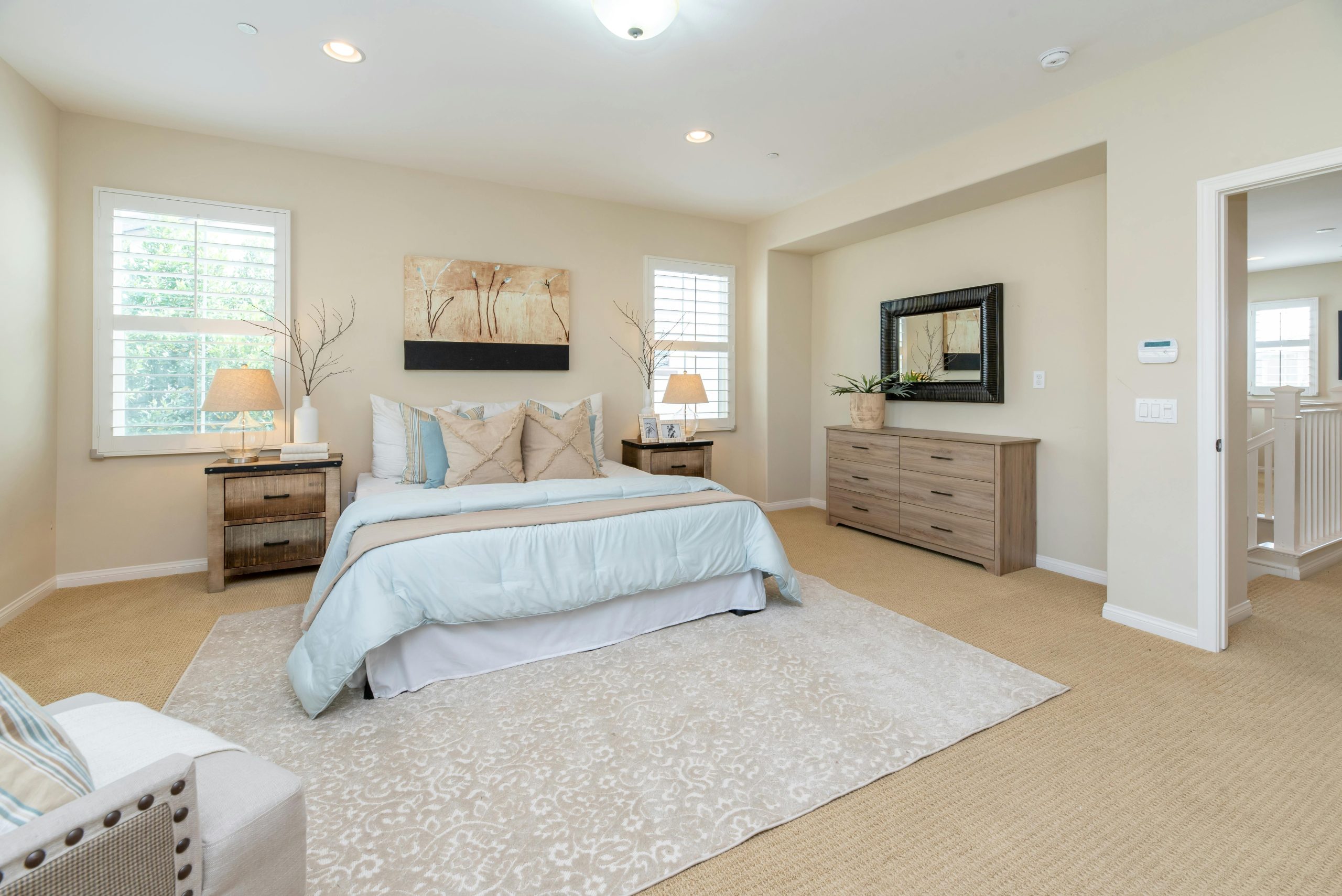
Explore Minimalist House Design: Ideas & Inspiration
Executive Summary
Minimalist house design is more than just a trend; it’s a philosophy reflected in clean lines, functional spaces, and a deliberate reduction of clutter. This guide explores the core tenets of minimalist home design, offering inspiration and practical advice for creating a serene and stylish living space. We’ll delve into key aspects like color palettes, furniture selection, and spatial organization, helping you transform your house into a minimalist haven that reflects your personal style and promotes a sense of calm and well-being. Whether you’re embarking on a full-scale renovation or simply seeking subtle changes, this comprehensive guide will equip you with the knowledge and inspiration you need to embrace the beauty of less. We’ll examine the practical considerations, the aesthetic choices, and the overall lifestyle shift that often accompanies a minimalist approach.
Introduction
Minimalism in house design is about intentional living. It’s not about deprivation, but about curating your possessions and surroundings to create a space that feels peaceful, functional, and aesthetically pleasing. It’s about focusing on quality over quantity, and finding beauty in simplicity. This guide will explore the key elements of minimalist design, providing you with practical tips and inspiring examples to help you create your own minimalist haven. Prepare to discover the transformative power of less.
Frequently Asked Questions
What is minimalist design? Minimalist design prioritizes simplicity, functionality, and clean lines. It emphasizes the use of essential elements and avoids unnecessary clutter or ornamentation. The goal is to create a space that is calming, uncluttered, and visually appealing through its inherent simplicity.
Is minimalist design expensive? Not necessarily. While high-end materials can be incorporated, minimalist design is fundamentally about choice and intention. By focusing on quality over quantity, you can create a beautiful minimalist space without breaking the bank. Careful planning and smart sourcing of materials and furniture are key.
Can I incorporate minimalist design into my existing home? Absolutely! Minimalist design principles can be applied gradually and incrementally. Start by decluttering, streamlining your possessions, and introducing minimalist furniture pieces. Even small changes can significantly impact the overall feel of your space.
Color Palettes and Material Selection
Minimalist design often relies on a limited color palette. This isn’t about being colorless; rather, it’s about using a small number of carefully selected shades that work harmoniously together. Neutral tones like white, beige, gray, and black are popular choices, offering a clean and uncluttered backdrop. Accents of color can be introduced sparingly to add warmth and personality without overwhelming the space.
Neutral Base: Start with a foundation of neutral colors on walls and floors.
Accent Colors: Introduce one or two accent colors strategically – a vibrant throw pillow, a piece of artwork, or a statement rug.
Natural Materials: Incorporate natural materials like wood, stone, and linen to add warmth and texture.
Monochromatic Scheme: Consider a monochromatic scheme using varying shades of a single color for a sophisticated look.
Avoid Busy Patterns: Steer clear of overly busy patterns or overly bright colors.
Consider Light: Maximize natural light wherever possible, as it is key in showcasing clean lines and simple design.
Furniture Selection and Placement
Minimalist furniture is functional, sleek, and uncluttered. Avoid overly ornate pieces or those with excessive detailing. Choose multi-functional furniture whenever possible to maximize space and efficiency. Strategic furniture placement is also crucial for creating a sense of spaciousness and flow.
Multi-functional Pieces: Opt for furniture that serves multiple purposes, like a sofa bed or a storage ottoman.
Clean Lines: Choose pieces with clean, simple lines and avoid excessive ornamentation.
Quality over Quantity: Invest in a few high-quality pieces rather than many inexpensive ones.
Strategic Placement: Arrange furniture to maximize space and flow, creating a sense of openness.
Hidden Storage: Use hidden storage solutions to keep clutter out of sight.
Minimalist Furniture Styles: Consider styles like Scandinavian, Japanese, or mid-century modern.
Light and Space Optimization
Light is a crucial element in minimalist design. Maximize natural light by using sheer curtains or blinds instead of heavy drapes. Artificial lighting should be soft and diffused, avoiding harsh overhead lights. Creating a sense of spaciousness is also essential. This can be achieved through strategic furniture placement, clever use of mirrors, and a focus on clean lines and open floor plans.
Maximize Natural Light: Use large windows, skylights, and sheer curtains to let in as much natural light as possible.
Strategic Lighting: Use a combination of ambient, task, and accent lighting to create a layered and inviting atmosphere.
Mirrors: strategically placed mirrors can help to make a room feel larger and brighter.
Open Floor Plans: Where possible, opt for open floor plans to maximize the sense of space.
Declutter Regularly: Regularly decluttering is essential to maintaining the minimalist aesthetic and feeling of spaciousness.
Vertical Space: Utilize vertical space with tall bookshelves or wall-mounted storage.
Decluttering and Organization
Decluttering is the foundation of minimalist living. It’s about intentionally choosing what you keep and letting go of anything that doesn’t serve a purpose or bring you joy. Organized storage is essential for maintaining a clutter-free space. Invest in storage solutions that are both functional and aesthetically pleasing.
The KonMari Method: Consider the KonMari method to declutter effectively.
One In, One Out Rule: Adopt a “one in, one out” rule to prevent accumulation.
Strategic Storage: Invest in functional and aesthetically pleasing storage solutions.
Regular Purging: Regularly purge items you no longer need or use.
Digital Decluttering: Don’t forget to declutter your digital spaces, too.
Donation and Recycling: Donate or recycle unwanted items responsibly.
Plants and Natural Elements
Incorporating plants and other natural elements adds warmth and texture to a minimalist space without compromising its clean aesthetic. Choose plants that are low-maintenance and add visual interest. Natural materials like wood, stone, and bamboo can also be used to bring the outdoors in.
Low-Maintenance Plants: Opt for low-maintenance plants that require minimal care.
Natural Textures: Introduce natural textures through materials like wood, stone, or bamboo.
Pottery and Ceramics: Use simple pottery or ceramic planters to display your plants.
Strategic Placement: Strategically place plants to enhance the aesthetic appeal of the space.
Natural Light: Ensure sufficient natural light for your plants to thrive.
- Variety of Greenery: Incorporate a variety of plants for visual interest, keeping the color palette consistent with the overall design.
Conclusion
Minimalist house design isn’t about sacrificing comfort or style; it’s about intentional living and creating a space that reflects your values and promotes your well-being. By focusing on quality over quantity, functionality, and clean lines, you can create a calming and aesthetically pleasing living environment. Remember that minimalist design is a journey, not a destination. Embrace the process of decluttering, curating your belongings, and transforming your home into a sanctuary of simplicity and style. This guide offers a starting point for your minimalist design journey; embrace the freedom and tranquility that a well-designed minimalist home provides. Start small, focus on what matters, and enjoy the process of creating a space that truly reflects you.