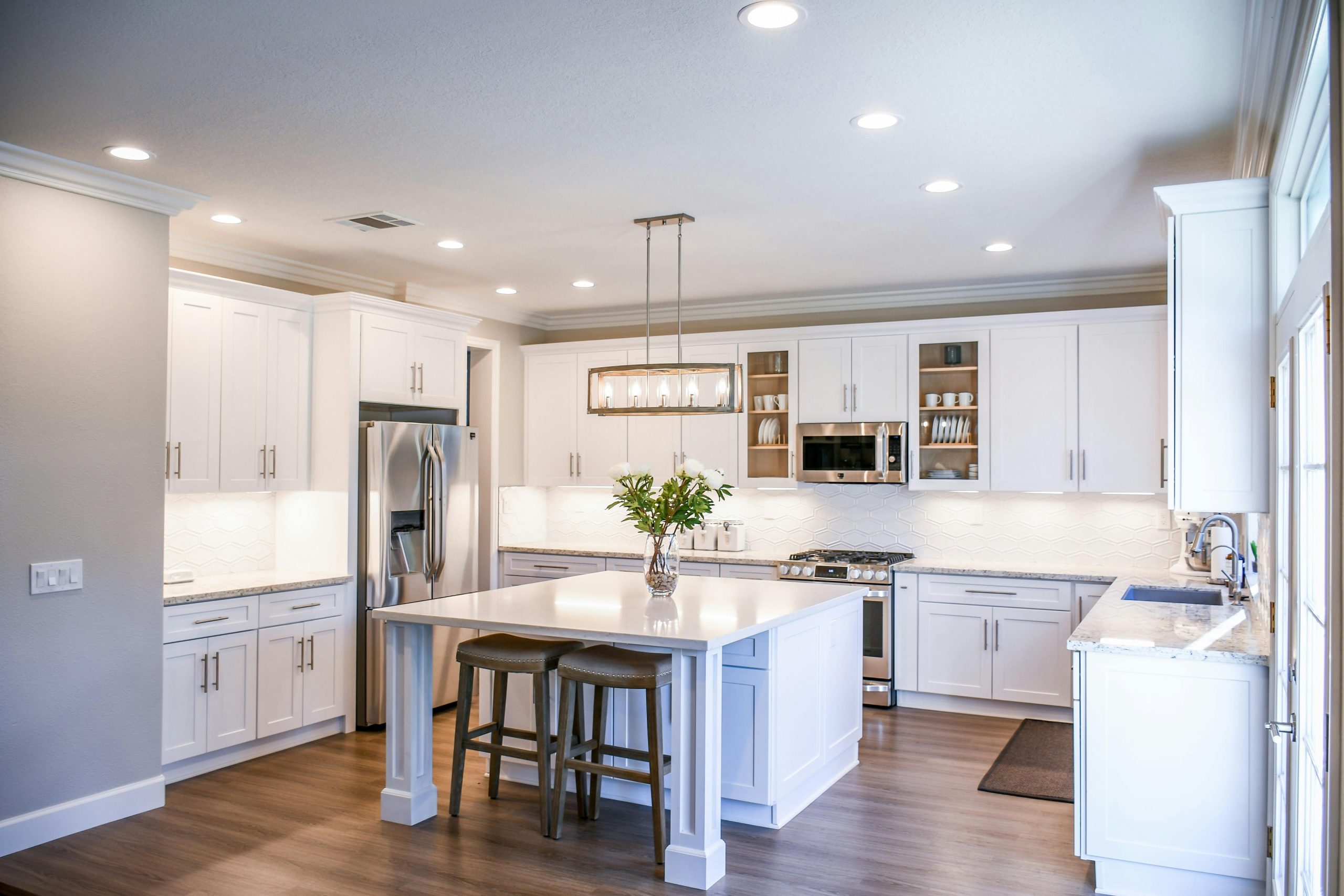
Designing a Minimalist Home: Simple & Chic
Executive Summary
Minimalist design isn’t about deprivation; it’s about intentionality. It’s about curating a space that fosters calm, clarity, and a sense of freedom from clutter. This guide explores the key elements of designing a minimalist home, from decluttering and choosing a color palette to selecting furniture and incorporating natural light. We’ll delve into practical tips and actionable strategies to help you transform your home into a serene and stylish sanctuary. Whether you’re starting from scratch or simply want to refine your existing space, this guide will provide you with the tools and inspiration you need to achieve a minimalist aesthetic that truly reflects your personality and lifestyle.
Introduction
The allure of minimalist design lies in its simplicity and elegance. It’s about stripping away the unnecessary to reveal the essential, creating a space that is both functional and beautiful. A minimalist home isn’t cold or sterile; rather, it’s a carefully curated environment that promotes peace and tranquility. By focusing on quality over quantity, you can create a space that is both visually appealing and deeply relaxing, a haven where you can truly unwind and recharge. This guide will provide you with the essential steps and considerations for achieving this aesthetic in your own home.
Frequently Asked Questions
Q: Is minimalist design expensive? A: Not necessarily. Minimalism is about quality over quantity. While investing in a few well-made, timeless pieces can be costly, it’s often more economical in the long run than constantly buying cheap, trendy items that quickly go out of style. Focus on durable materials and classic designs.
Q: How do I declutter effectively? A: Start by categorizing your belongings. Ask yourself if each item serves a purpose, sparks joy, or adds value to your life. Be ruthless in letting go of anything that doesn’t meet these criteria. Donate, sell, or recycle unwanted items. Consider the KonMari method for a structured approach.
Q: Can minimalist design work in small spaces? A: Absolutely! Minimalism is particularly beneficial in small spaces. By removing clutter and maximizing vertical space, you can create the illusion of more room and enhance the feeling of openness. Clever storage solutions are key.
Choosing a Color Palette
A minimalist color palette typically features neutral tones like white, beige, gray, and black. These colors create a sense of calm and serenity, providing a backdrop for a few carefully chosen accent pieces. However, don’t be afraid to incorporate subtle pops of color to add personality and warmth. A well-chosen color palette can significantly impact the overall mood and atmosphere of your home.
Neutral Base: Opt for a neutral foundation for walls, floors, and larger furniture pieces. This provides a clean and versatile canvas.
Accent Colors: Introduce 1-2 accent colors sparingly, focusing on textiles like throws, cushions, or artwork.
Natural Tones: Incorporate natural elements like wood or stone to add texture and warmth.
Consider Light: Lighter colors make a room feel more spacious, while darker colors can create a cozier atmosphere.
Test Colors: Before committing to a color scheme, test paint samples on your walls under different lighting conditions.
Harmonious Combinations: Ensure your chosen colors complement each other to create a balanced and sophisticated look.
Decluttering and Organization
Decluttering is the cornerstone of minimalist design. It’s about consciously choosing what you want to keep and letting go of the rest. This process involves more than just tidying; it’s about creating a space that is both functional and emotionally liberating. An organized space promotes a sense of calm and control, which are essential to minimalist living.
One-In, One-Out Rule: For every new item you bring into your home, get rid of an old one. This helps prevent clutter accumulation.
Regular Purges: Schedule regular decluttering sessions to stay on top of things and prevent overwhelm.
Strategic Storage: Invest in functional and stylish storage solutions to keep belongings organized and out of sight.
Digital Declutter: Don’t forget to declutter your digital life. Organize your computer files, delete unnecessary apps, and unsubscribe from unwanted emails.
Capsule Wardrobe: Adopt a capsule wardrobe – a small collection of versatile, high-quality clothing items that can be mixed and matched easily.
Donate or Sell: Find a new home for items you no longer need or use; donate to charity or sell them online.
Furniture Selection
Minimalist furniture is characterized by its simplicity, clean lines, and functionality. Avoid ornate or overly decorative pieces. Opt for furniture made of natural materials like wood or bamboo, which add warmth and texture. Choose pieces that serve a purpose and are built to last. Investing in a few high-quality items will serve you far better than amassing a collection of cheap, poorly constructed furniture.
Multifunctional Furniture: Choose pieces that serve multiple purposes. For example, an ottoman with storage or a sofa bed.
Less is More: Select fewer, larger pieces of furniture rather than many smaller ones. This creates a more spacious feel.
Natural Materials: Prioritize furniture made from natural materials such as wood or bamboo for a warm and inviting atmosphere.
Clean Lines: Opt for furniture with clean, simple lines and avoid overly ornate or fussy details.
Quality Over Quantity: Invest in high-quality, durable furniture that will last for years to come.
Scalable Furniture: If you’re working with a limited space, consider smaller-scale furniture or items you can fold and put away.
Lighting and Natural Elements
Natural light is a crucial element in minimalist design. Maximize natural light by keeping windows unobstructed and using sheer curtains or blinds to soften the light without blocking it completely. Incorporate natural elements such as plants, wood, and stone to add warmth and texture. These elements bring the outdoors in, enhancing the sense of calm and connection with nature. Consider using LED lighting in the evenings – it’s energy-efficient and provides a soft, warm glow.
Maximize Natural Light: Open curtains and blinds during the day to let in as much natural light as possible.
Strategic Artificial Lighting: Use layered lighting to create a warm and inviting atmosphere. Consider floor lamps, table lamps, and recessed lighting.
Natural Materials: Incorporate natural elements like wood, stone, or plants to add texture and warmth.
Mirrors: Strategically placed mirrors can reflect light and make a room feel larger and brighter.
Plants: Introduce indoor plants to add life and color to your space.
Energy Efficiency: Use LED lighting to reduce energy consumption and create a soft, pleasant ambiance.
Incorporating Art and Decor
While minimalism is about simplicity, it doesn’t mean your home has to be devoid of personality. Choose a few pieces of art or decor that resonate with you and add a personal touch. However, keep it minimal and focus on quality over quantity. One or two meaningful pieces can have a greater impact than a cluttered collection of items. Think about texture as well as visual appeal.
Curated Collection: Choose a few carefully selected pieces of artwork or decorative items that reflect your personal style.
High-Quality Materials: Prioritize items made from high-quality materials that will withstand the test of time.
Neutral Palette: Stick to a neutral color palette for your artwork and decor to maintain a cohesive look.
Textural Elements: Introduce textural elements such as woven baskets, textured throws, or a patterned rug to add visual interest.
Meaningful Items: Display items that hold personal significance to you.
- Avoid Clutter: Resist the temptation to overdecorate. A few well-chosen pieces will have a greater impact than a cluttered display.
Conclusion
Designing a minimalist home is a journey, not a destination. It’s about continually refining your space to reflect your evolving needs and preferences. By focusing on intentionality, simplicity, and quality, you can create a space that is both aesthetically pleasing and profoundly calming. Remember, minimalism is not about deprivation; it’s about liberation. It’s about freeing yourself from the burden of excess and creating a home that truly nourishes your mind, body, and soul. Embrace the process, enjoy the journey, and create a space that reflects your unique style and personality. The result will be a home that is both beautiful and deeply personal, a true sanctuary for your well-being.